
 Nodaro Docs
Cosmetics UGC Studio
One product photo in, eight phone-style social images out (9:16): the product alone on a dashboard, a café table, a hotel bed and a beach towel, then in a…
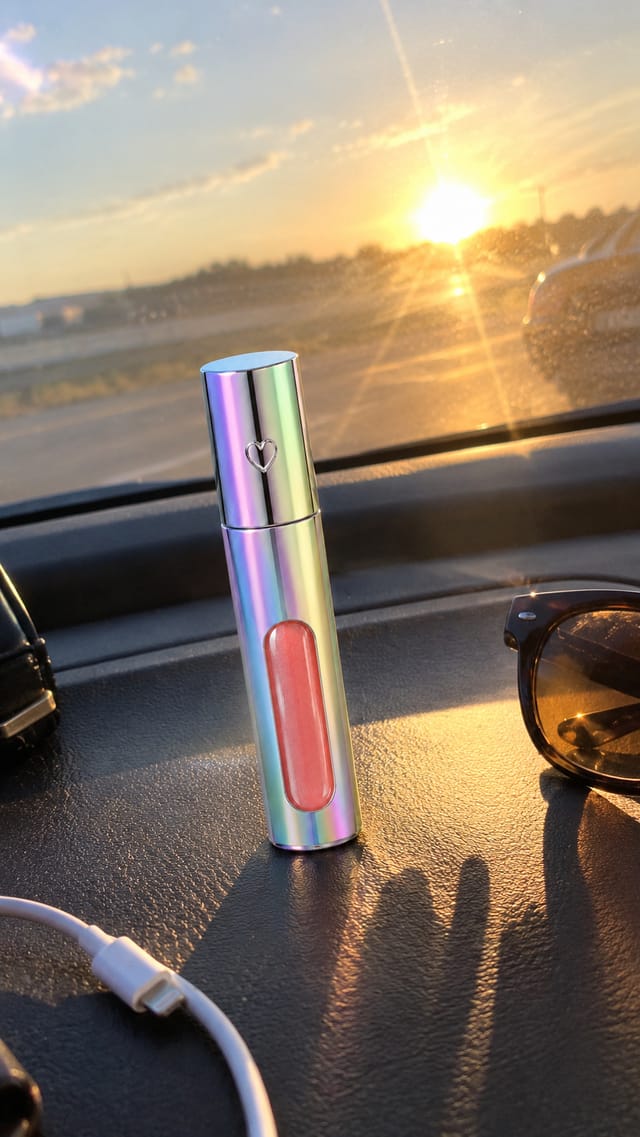
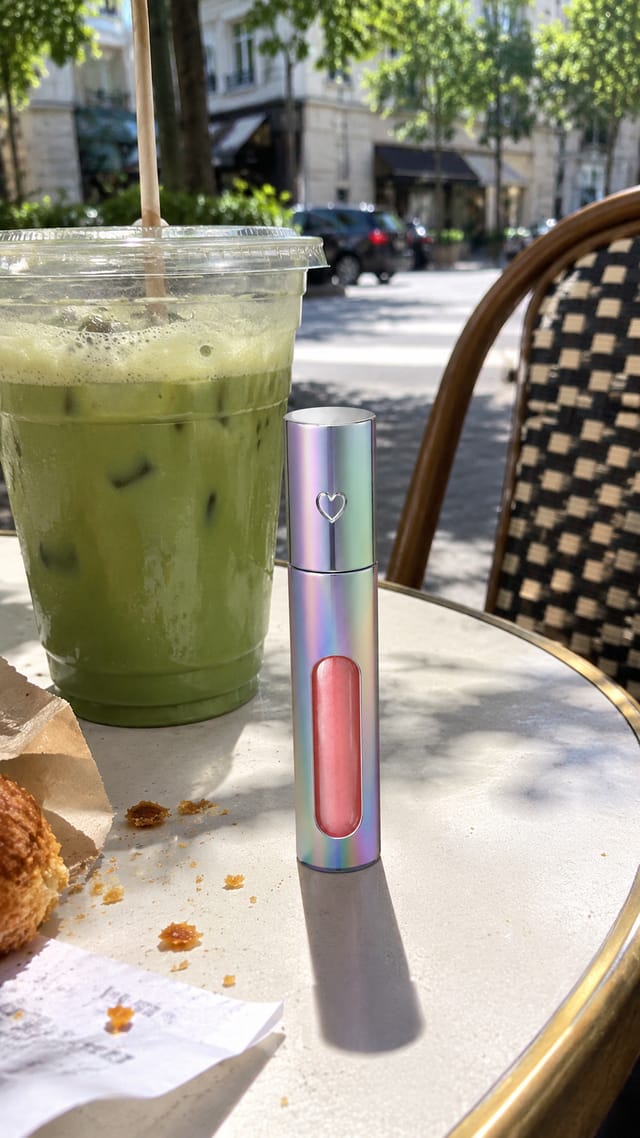
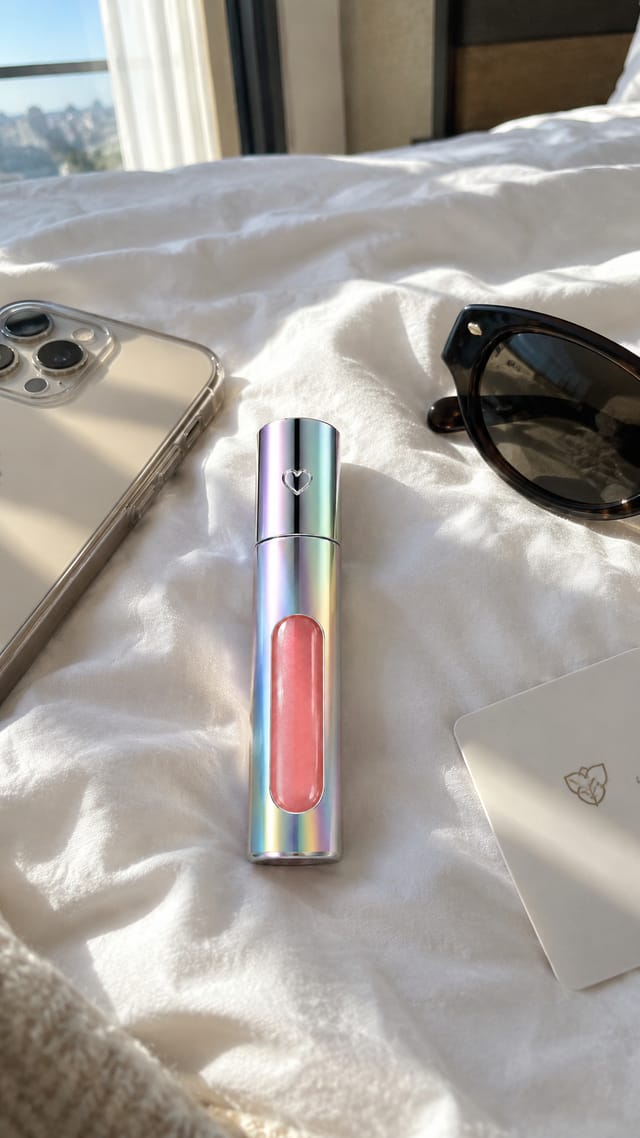
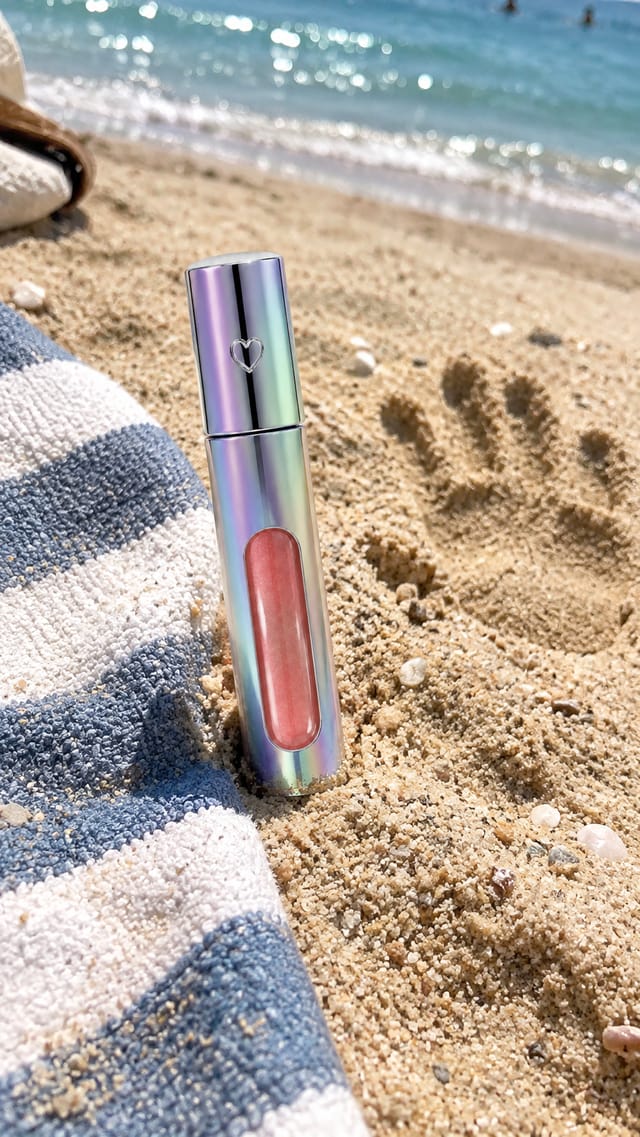
Cosmetics UGC Studio is a ready-made Nodaro workflow in product imagery. One product photo in, eight phone-style social images out (9:16): the product alone on a dashboard, a café table, a hotel bed and a beach towel, then in a creator's hands — car mirror, rooftop flash, dressing-room selfie, picnic. The product is a reference, the format is a setting: no swap step, no resize step.
| Category | Product imagery |
| Makes | images |
| Models | GPT Image 2 |
| Nodes | 13 |
| Estimated cost of one run | About 122 credits, the price of its models when the template was saved |
| Level | Advanced |
Open Cosmetics UGC Studio in Nodaro
How it works
One product photo becomes eight phone-style social images in 9:16 — the kind a customer might post — four with the product alone in real places, four with a creator in the frame. No product swapping, no resizing: the product is a reference, the format is a setting.
- Product photo — a packshot on a plain background. It appears exactly as it is in every image.
- Camera + Light + Vibe — the phone look from tiles, the light from tiles, one line of mood.
- Product notes — an AI writes the product down once; every image quotes it.
- Row 1, the product alone — dashboard, café, hotel bed, beach. Cluttered, tilted, real.
- Row 2, with a creator — car mirror, rooftop flash, dressing-room selfie, picnic. Hands and half faces, never a posed model.
- Swap a scene line in any image node and rerun just that node; swap the product photo and rerun everything.
Step by step
Step 1
A packshot on a plain background. Every image gets it as a reference, so the shape, the finish and the cap stay exactly as they are — no swap step needed.
Step 2
The phone tile makes every image look shot on a phone: mild sharpening, grain, casual framing. Natural light keeps it honest. The vibe line sets the mood in plain words — change it to rainy, cosy, late-night, and every scene follows.
Step 3
An AI looks at the packshot once and writes the product down in one precise paragraph — shape, finish, colours, cap, window. Every image quotes it next to the photo, so the product never drifts.
Step 4
Four real places, no people: a car dashboard at golden hour, a café table, a rumpled hotel bed, a beach towel. Each image has a fixed scene line plus the product, the phone look and the vibe. Off-centre, a little tilted, clutter left in — that is the whole style. Open any image to rewrite its scene, then rerun just that node.
Step 5
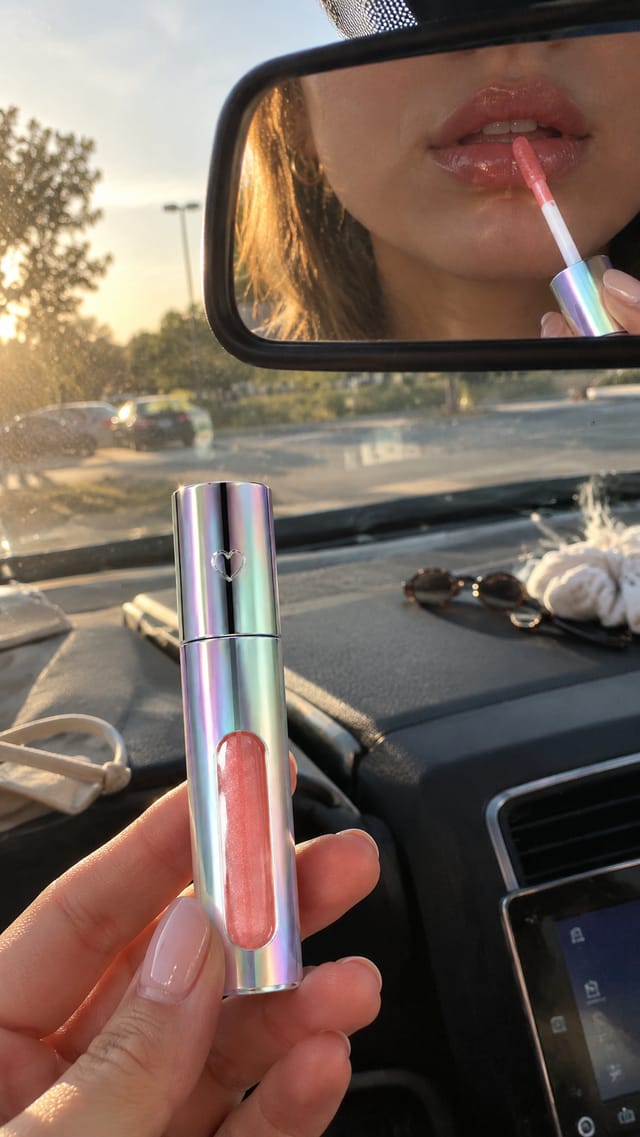
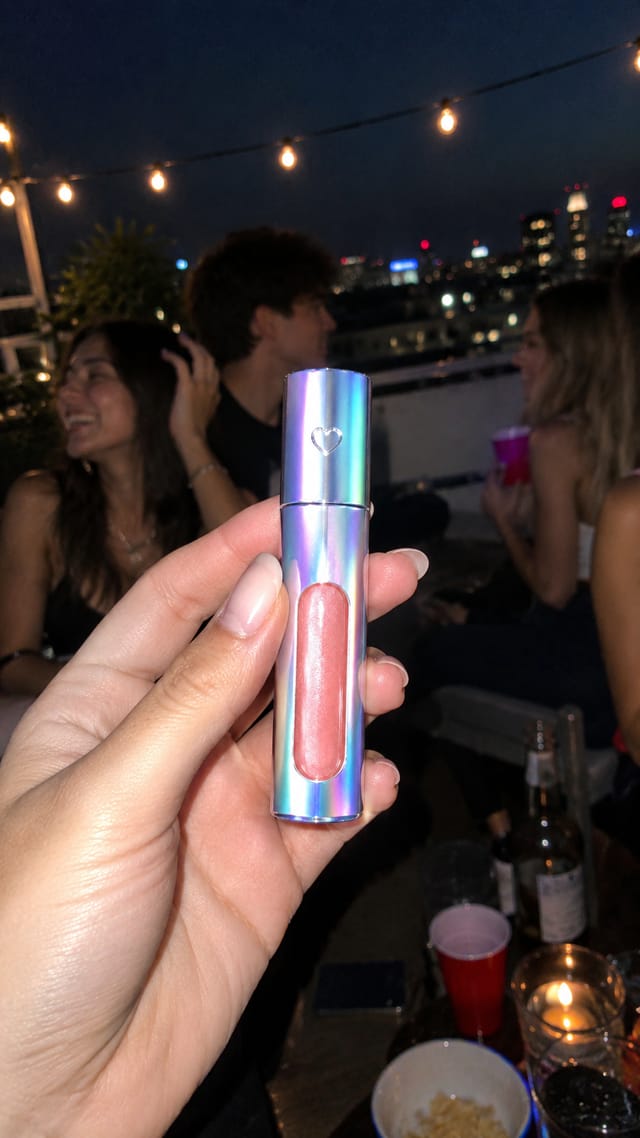
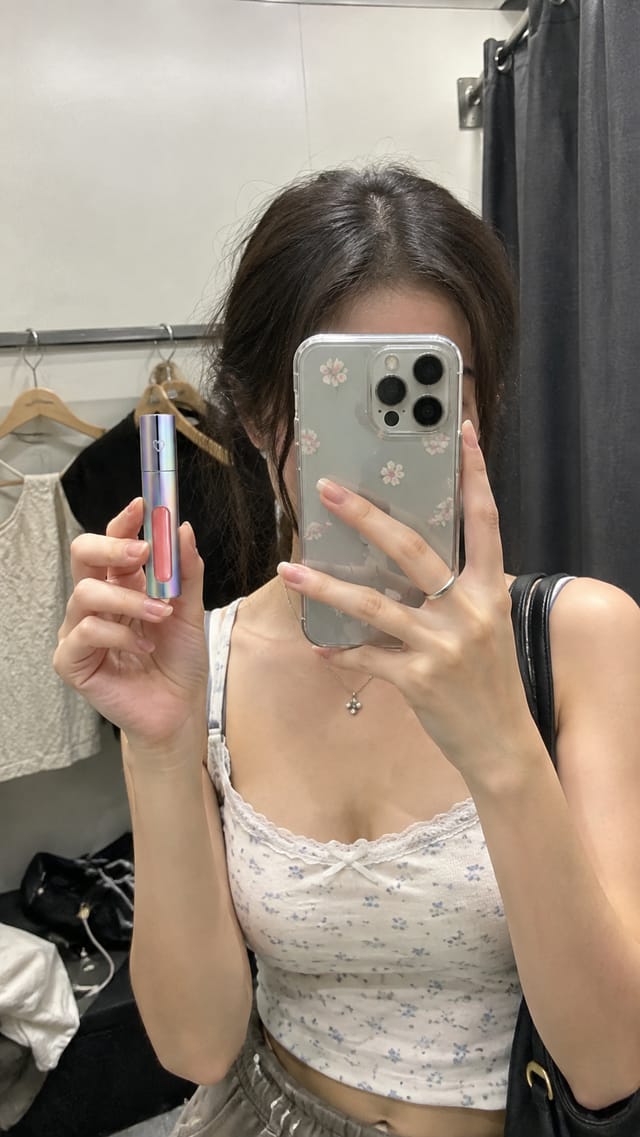
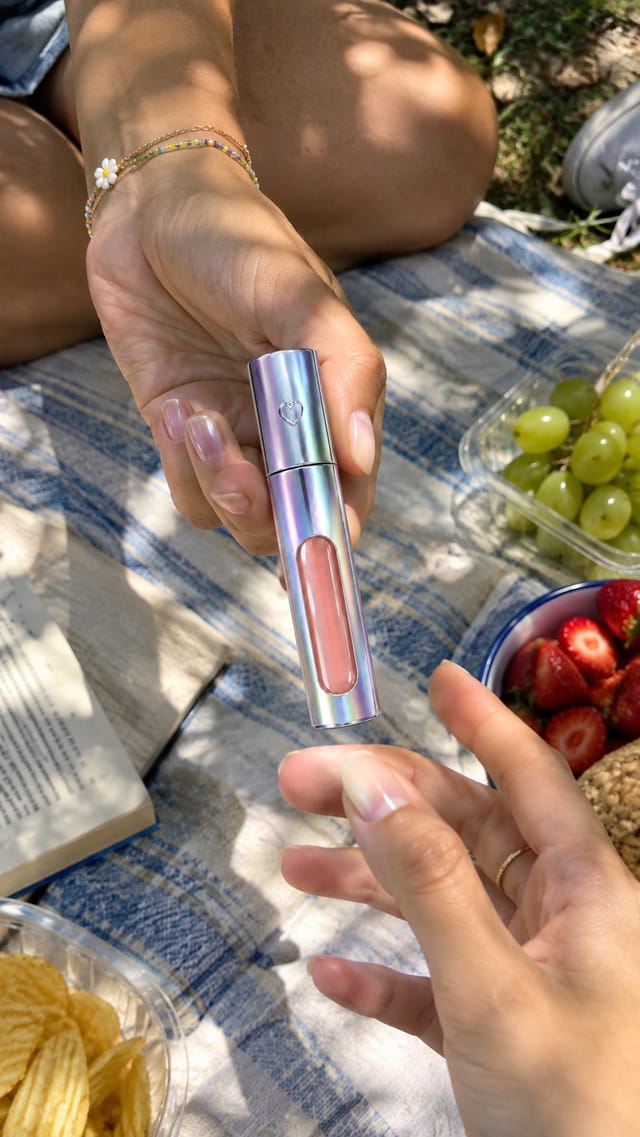
The same product held, applied, passed around: a car-mirror application, a rooftop night shot with harsh flash, a dressing-room mirror selfie, a picnic hand-off. Hands and half faces only — a person makes it a recommendation, a posed model makes it an ad. Same rules as row 1; rewrite a scene line and rerun that node alone.
What it made
Results that the template made in Nodaro. Your results follow your own inputs.
Nodes in this template
The template is a workflow of 13 nodes. Each node below links to its page:
- Generate Image: 8
- Camera / Film Stock: 1
- Lighting: 1
- Prompt: 1
- Text: 1
- Upload Image: 1
Use this template
- Open the template in Nodaro and click Clone & customize. Nodaro copies it into My Workflows.
- Replace the inputs with your own: Product photo.
- Click Run. The editor shows the price before anything runs.
Templates lists every template, and Choosing a model helps when you swap a model.
Frequently asked questions
What does the Cosmetics UGC Studio template make?
One product photo in, eight phone-style social images out (9:16): the product alone on a dashboard, a café table, a hotel bed and a beach towel, then in a creator's hands — car mirror, rooftop flash, dressing-room selfie, picnic. The product is a reference, the format is a setting: no swap step, no resize step.
How much does one run of Cosmetics UGC Studio cost?
About 122 credits, the price of its models when the template was saved. The editor shows the current price before you run it, and you pay only for the nodes that run.
Which models does Cosmetics UGC Studio use?
GPT Image 2. You can switch any of them on the canvas after you clone the template.
Do I need to build a workflow to use Cosmetics UGC Studio?
No. Clone the template, replace its inputs with your own and click Run. The workflow is already built and connected.
Related
Product imagery templates
2000s Fashion Studio
Beauty Bundle Studio
Camera Angle Studio
E-com Model Studio
Last updated on
Camera Angle Studio
One photo of a model, six camera angles (fisheye, bird's eye, low angle, Dutch angle, macro, worm's eye), two ways — straight from a tile, and through an AI…
E-com Model Studio
One clothing photo in, a full e-commerce set out: a model card plus four studio shots (front three-quarter, turned away, back, detail) of the same model in…