
 Nodaro Docs
Packshot Studio
One phone photo of a garment in, a full catalogue set out: front, back and flat-lay packshots plus collar, cuff, fabric and button close-ups — all on white in…
Packshot Studio is a ready-made Nodaro workflow in product imagery. One phone photo of a garment in, a full catalogue set out: front, back and flat-lay packshots plus collar, cuff, fabric and button close-ups — all on white in one light, the garment's true colour and fabric kept from your photo.
| Category | Product imagery |
| Makes | images |
| Models | GPT Image 2 |
| Nodes | 11 |
| Estimated cost of one run | About 107 credits, the price of its models when the template was saved |
| Level | Advanced |
Open Packshot Studio in Nodaro
How it works
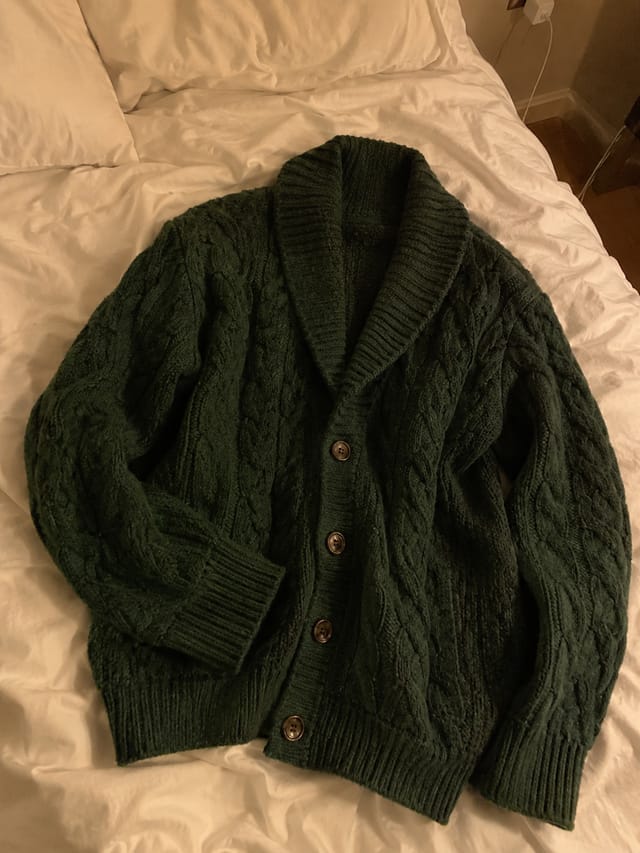
One phone photo of a garment — on a bed, in bad light — becomes a full catalogue set: three packshots and four detail close-ups, all on white in one light. No studio, no mannequin, no example photos to hunt for.
- Phone photo — the garment as it is, however it was shot. Every image gets it as the reference for colour and fabric.
- Light + Shop style — the studio light from tiles and one line about your background and shadow.
- Garment notes — an AI reads the phone photo once and writes the garment down: fabric, true colour, collar, buttons, seams.
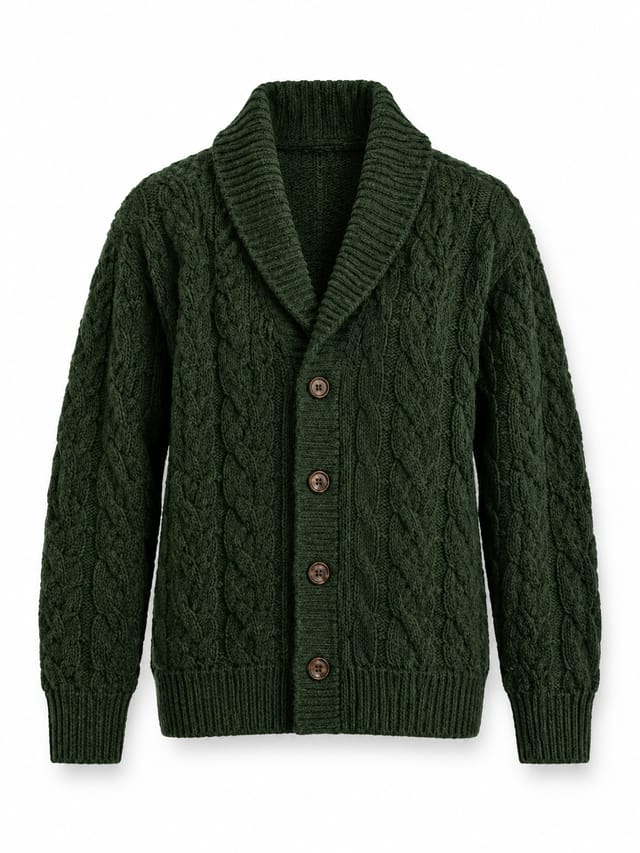
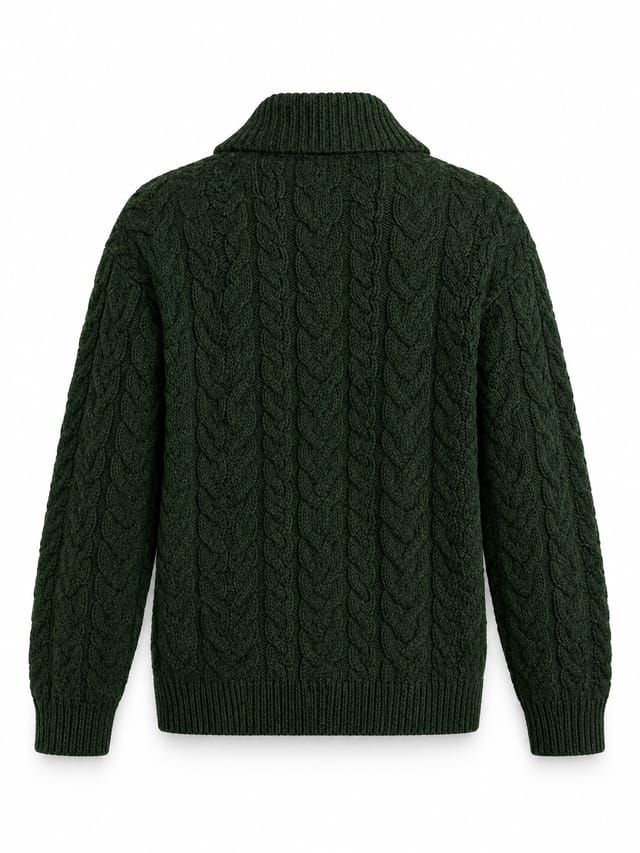
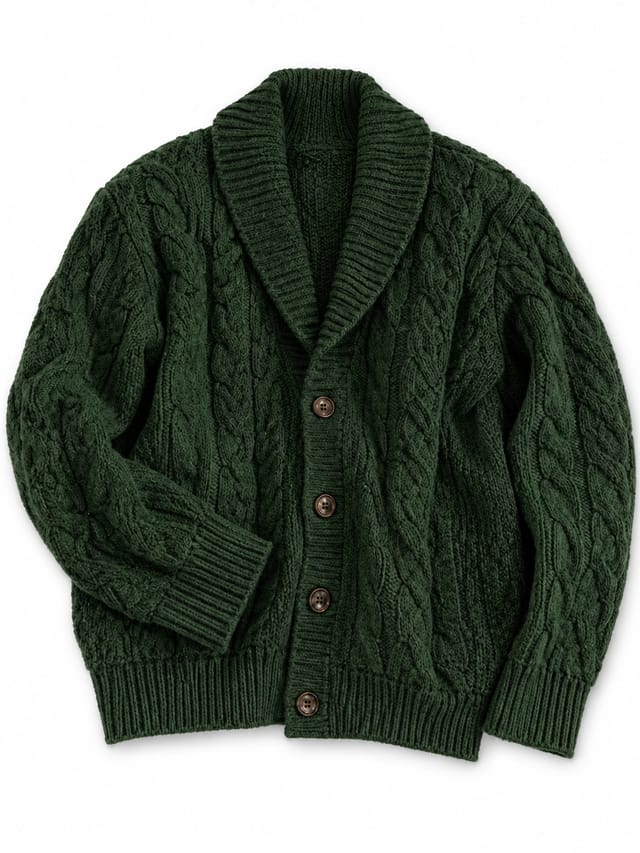
- Row 1, the packshots — front, back, flat lay. The shop page.
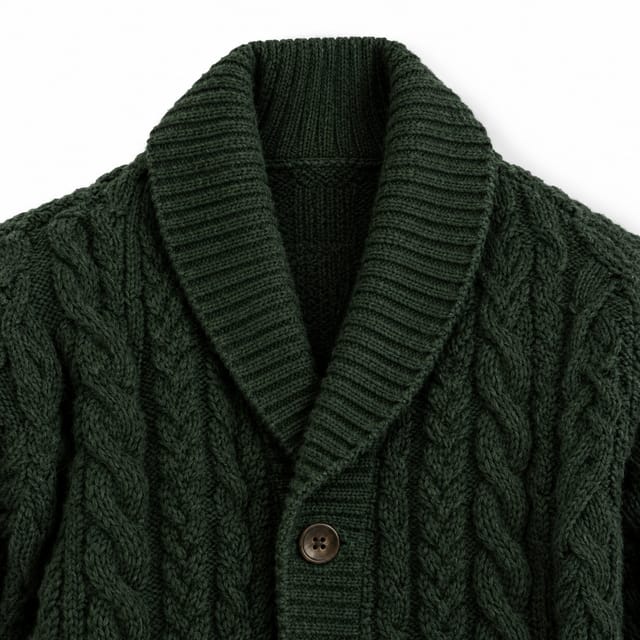
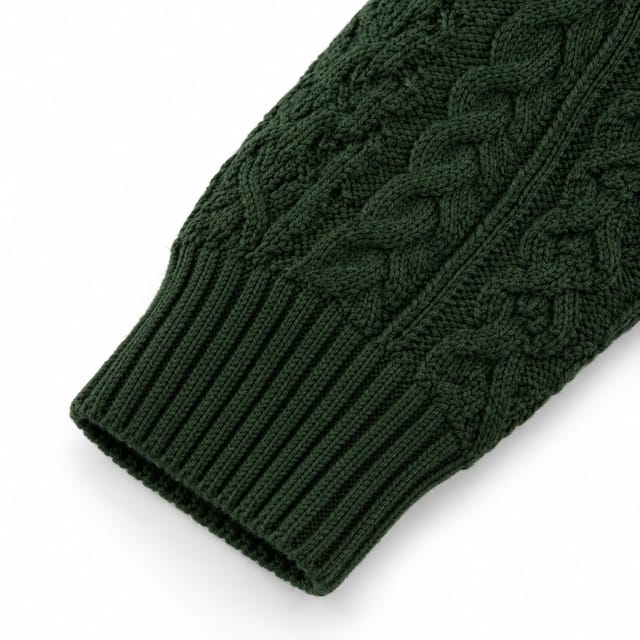
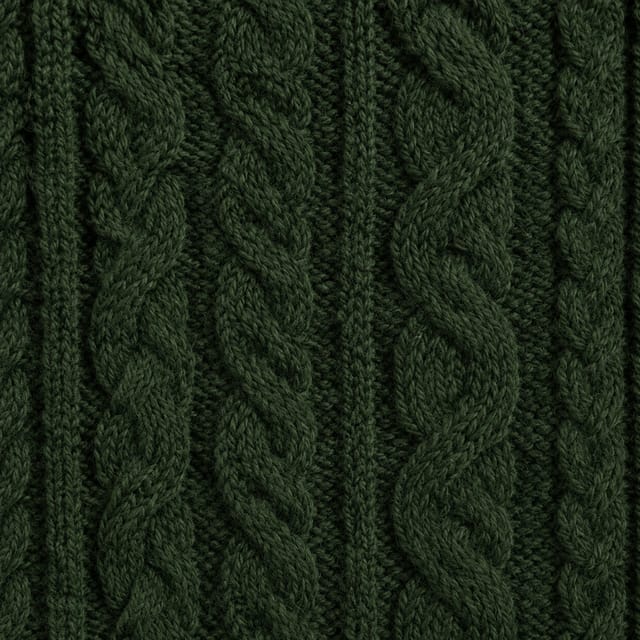
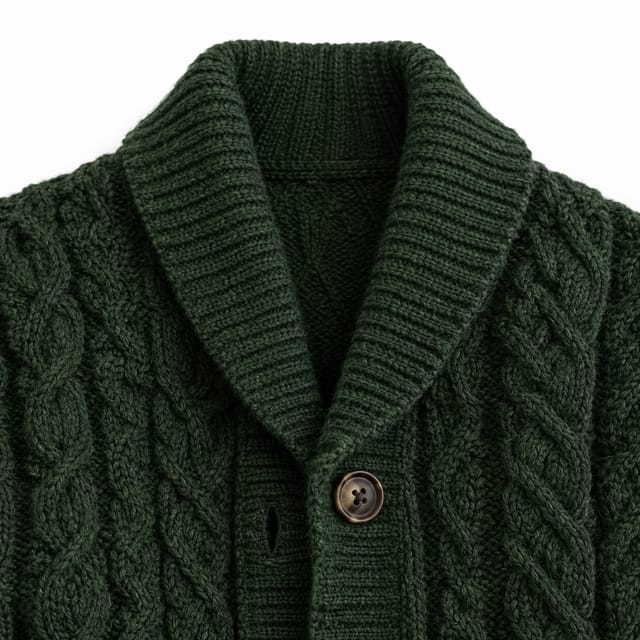
- Row 2, the details — collar, cuff, fabric, button. The zoom.
- Swap the phone photo and rerun everything; change the shop-style line and every image follows.
Step by step
Step 1
The garment however you shot it: on a bed, on a chair, in lamp light. Every image gets it as the reference, so the colour, the knit and the buttons are yours — only the bed, the light and the crooked framing go.
Step 2
Soft even studio light from tiles is the catalogue standard. The shop-style line sets the background and the shadow in plain words — pure white, warm off-white, light grey, a soft drop shadow — so every image matches the rest of your shop.
Step 3
An AI reads the phone photo once and writes the garment down in one precise paragraph — fabric, the true colour under the lamp's cast, collar, buttons, seams, proportions. Every image quotes it next to the photo, so seven images agree on one garment.
Step 4
Front and back on an invisible ghost mannequin, and a flat lay from above — the three views a product page needs. Same garment, same white, same light. Open one to change its framing and rerun just that node.
Step 5
Four close-ups the shopper zooms into: the collar, a cuff, the fabric itself, a button. Each has a fixed framing and quotes the garment notes, so the detail matches the packshots exactly. Add a fifth for a pocket or a hem the same way.
What it made
Results that the template made in Nodaro. Your results follow your own inputs.
Nodes in this template
The template is a workflow of 11 nodes. Each node below links to its page:
- Generate Image: 7
- Lighting: 1
- Prompt: 1
- Text: 1
- Upload Image: 1
Use this template
- Open the template in Nodaro and click Clone & customize. Nodaro copies it into My Workflows.
- Replace the inputs with your own: Phone photo.
- Click Run. The editor shows the price before anything runs.
Templates lists every template, and Choosing a model helps when you swap a model.
Frequently asked questions
What does the Packshot Studio template make?
One phone photo of a garment in, a full catalogue set out: front, back and flat-lay packshots plus collar, cuff, fabric and button close-ups — all on white in one light, the garment's true colour and fabric kept from your photo.
How much does one run of Packshot Studio cost?
About 107 credits, the price of its models when the template was saved. The editor shows the current price before you run it, and you pay only for the nodes that run.
Which models does Packshot Studio use?
GPT Image 2. You can switch any of them on the canvas after you clone the template.
Do I need to build a workflow to use Packshot Studio?
No. Clone the template, replace its inputs with your own and click Run. The workflow is already built and connected.
Related
Product imagery templates
2000s Fashion Studio
Beauty Bundle Studio
Camera Angle Studio
Cosmetics UGC Studio
Last updated on
Outdoor Lifestyle Studio
One apparel photo in, an outdoor sports editorial out: an athlete card, four trail shots (low & wide, top-down, scale, detail) of the same athlete in the same…
PDP Video Studio
One clothing photo in, a product-page video out: a full-body model card, three short clips (walk-in, turn, detail) and the stitched 16-second vertical video,…