
 Nodaro Docs
2000s Fashion Studio
A product photo and a model photo in, an early-2000s magazine shoot out: four fisheye-and-flash studio shots of the same model with the same product under one…
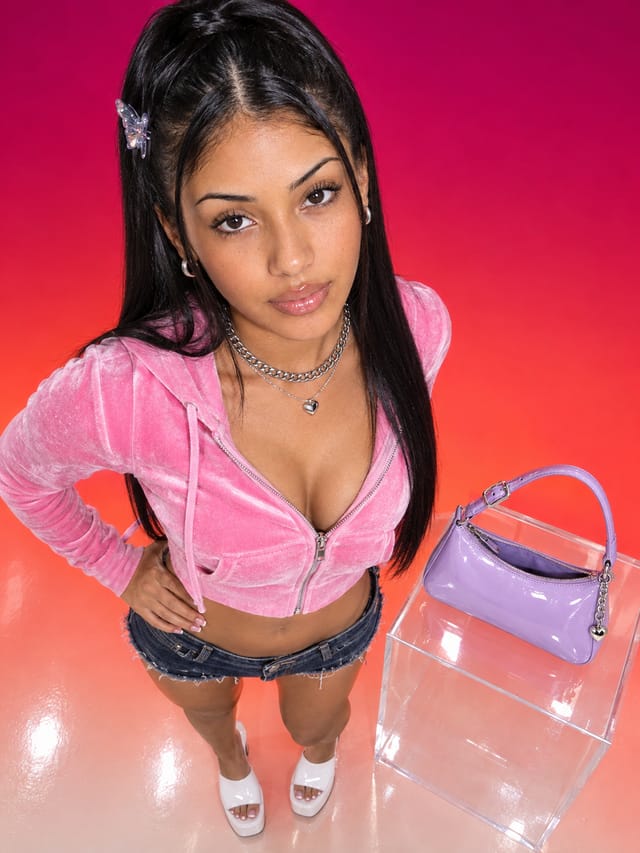
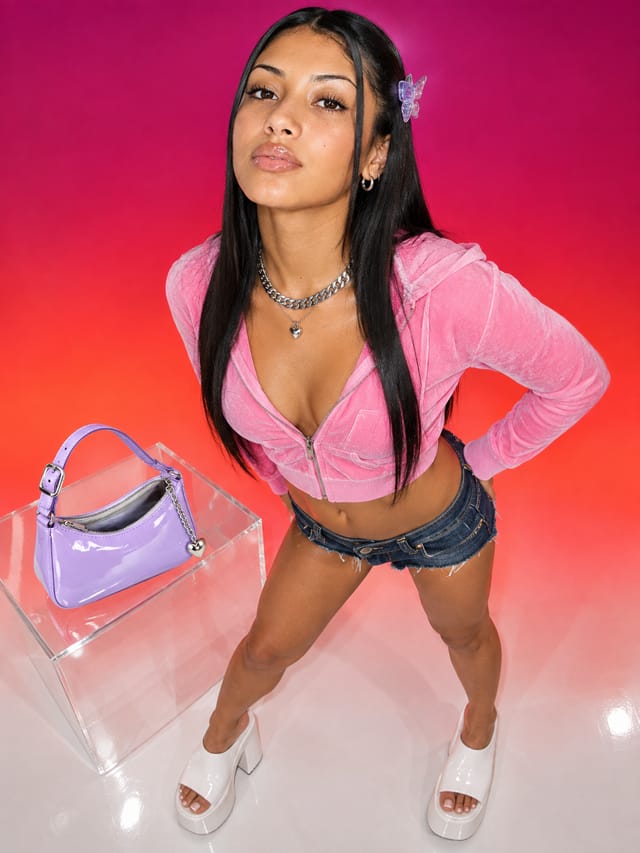
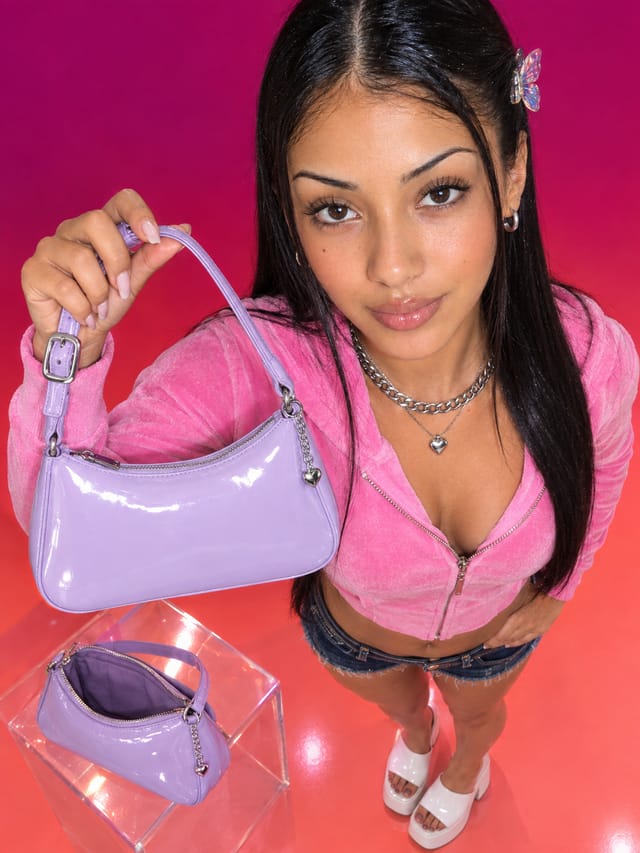
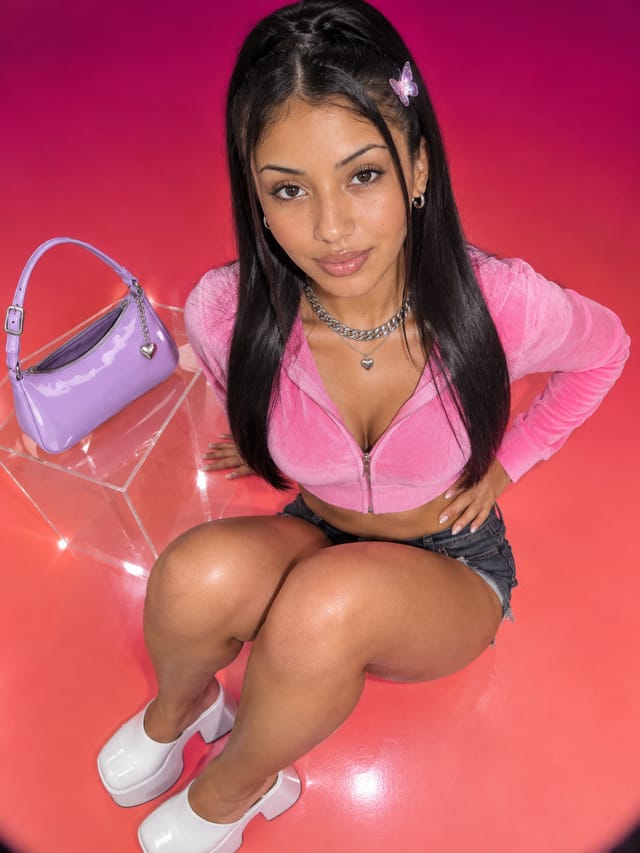
2000s Fashion Studio is a ready-made Nodaro workflow in product imagery. A product photo and a model photo in, an early-2000s magazine shoot out: four fisheye-and-flash studio shots of the same model with the same product under one AI-written concept, plus a second take — a deliberately different concept in the same four framings — to show how far the same inputs go.
| Category | Product imagery |
| Makes | images |
| Models | GPT Image 2 |
| Nodes | 16 |
| Estimated cost of one run | About 126 credits, the price of its models when the template was saved |
| Level | Advanced |
Open 2000s Fashion Studio in Nodaro
How it works
A product photo and a model photo become an early-2000s magazine shoot: four studio shots of the same model with the same product, fisheye and flash, plus a second take in a completely different concept. No studio, no photographer.
- Product photo — a packshot on a plain background. The one thing that never changes.
- Model photo — one clear photo of the person. The shots keep the face.
- Lens + Light — the Y2K look from tiles: fisheye and hard flash. Swap the tiles and the whole shoot changes character.
- Shoot direction — one line about the mood, the backdrop and the era.
- Product notes + Shoot concept — an AI writes the product down once, and an AI art director writes one concept: the outfit, the set, the attitude. Every shot quotes both.
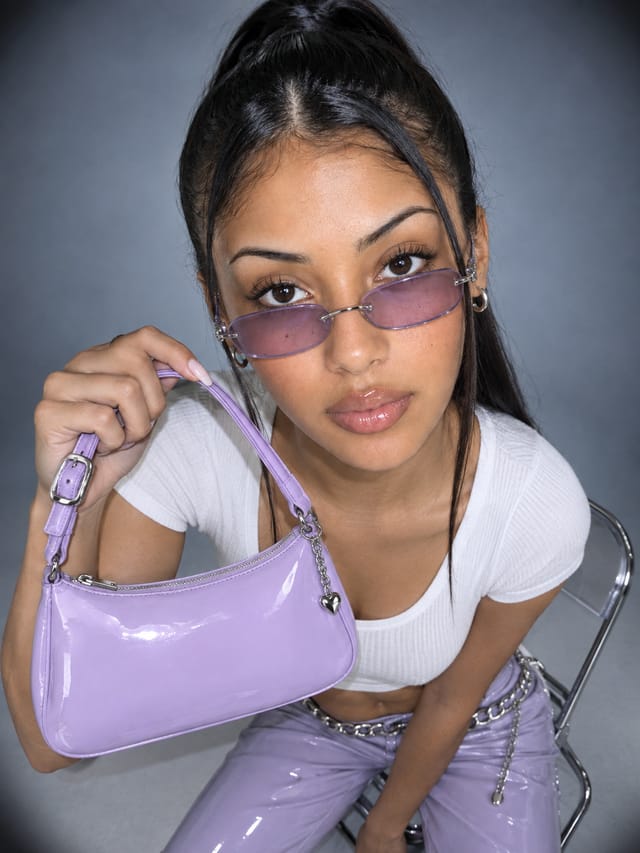
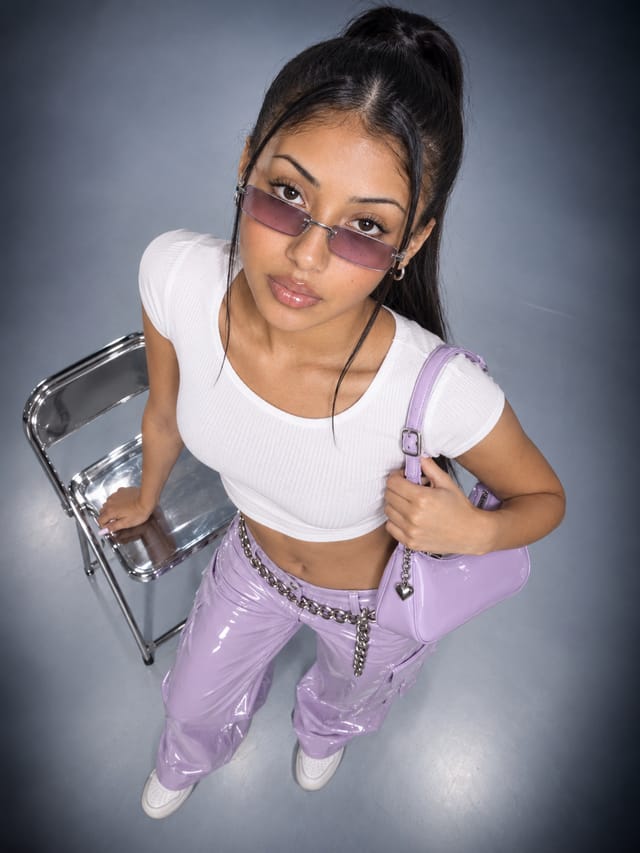
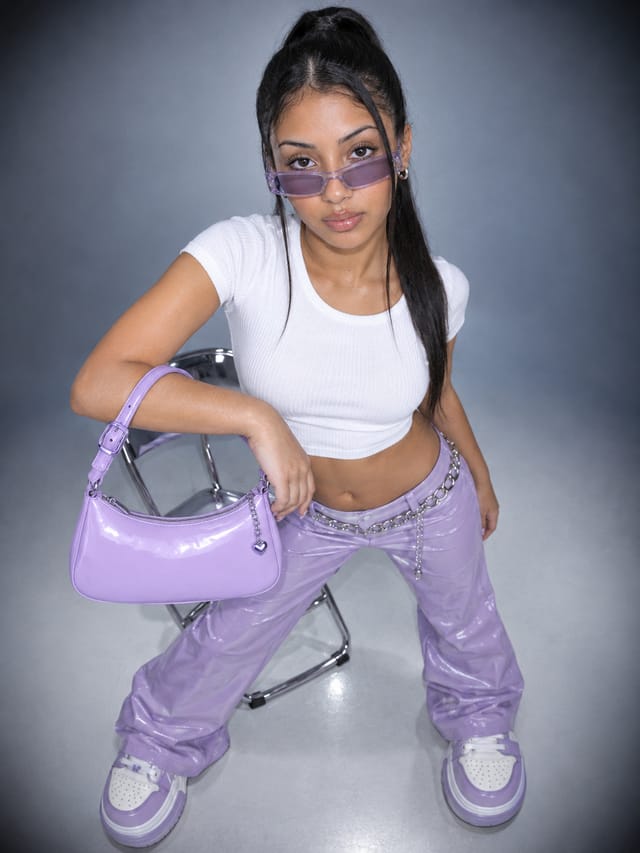
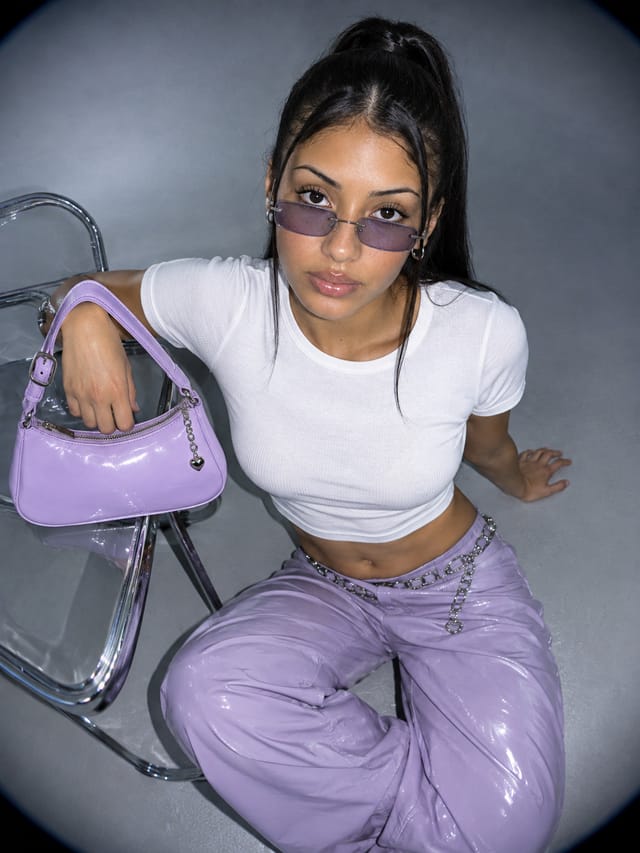
- Four shots — portrait, three-quarter, full body, floor. Same model, same outfit, same set.
- A second take — the art director reads the first concept and writes one that shares nothing with it; the same four framings show it under the first four.
Step by step
Step 1
A packshot on a plain background. Every shot gets it as a reference, so colour, hardware and shape stay exactly as they are.
Step 2
One clear photo of the person, face to the camera, plain background. Every shot gets it as a reference and keeps the face. Prefer tiles instead? Replace this node with a Person node and wire it into the Shoot concept.
Step 3
The early-2000s signature: a fisheye, close to the model, from slightly above. Pick another tile — ultra-wide, 35 mm — for a calmer picture; the shots follow.
Step 4
Hard flash straight from the camera is the early-2000s look: crisp highlights, sharp texture, strong contrast. Beauty dish or high-key soften it.
Step 5
One line about the mood, the backdrop and the era. The art director builds the whole concept from it; change the line and the outfit, the set and the attitude change with it.
Step 6
Product notes: an AI describes the product from the photo in one precise paragraph; every shot quotes it. Shoot concept: an AI art director reads the model photo, the product and your direction and writes one concept — the model, the outfit, the set, the attitude. Rerun it alone for a fresh concept; edit the text by hand to pin one.
Step 7
Each shot gets the model photo and the product photo as references, the product notes and the shoot concept, plus its own fixed framing: an extreme close-up, a three-quarter from above, a full body in barrel distortion, a floor shot from overhead. Open a shot to change its framing or pose, then rerun just that node.
Step 8
Same product, same model, same direction — a different shoot. The art director gets the first concept and writes a second one that shares nothing with it: another outfit, another set, another attitude, the product featured another way. The same four framings show it under the first four. This is how you explore: keep the inputs, change the concept. Rerun the Second concept alone for another take; edit its text by hand to pin one.
What it made
Results that the template made in Nodaro. Your results follow your own inputs.
Nodes in this template
The template is a workflow of 16 nodes. Each node below links to its page:
- Generate Image: 8
- Prompt: 3
- Upload Image: 2
- Lens: 1
- Lighting: 1
- Text: 1
Use this template
- Open the template in Nodaro and click Clone & customize. Nodaro copies it into My Workflows.
- Replace the inputs with your own: Product photo and Model photo.
- Click Run. The editor shows the price before anything runs.
Templates lists every template, and Choosing a model helps when you swap a model.
Frequently asked questions
What does the 2000s Fashion Studio template make?
A product photo and a model photo in, an early-2000s magazine shoot out: four fisheye-and-flash studio shots of the same model with the same product under one AI-written concept, plus a second take — a deliberately different concept in the same four framings — to show how far the same inputs go.
How much does one run of 2000s Fashion Studio cost?
About 126 credits, the price of its models when the template was saved. The editor shows the current price before you run it, and you pay only for the nodes that run.
Which models does 2000s Fashion Studio use?
GPT Image 2. You can switch any of them on the canvas after you clone the template.
Do I need to build a workflow to use 2000s Fashion Studio?
No. Clone the template, replace its inputs with your own and click Run. The workflow is already built and connected.
Related
Product imagery templates
Beauty Bundle Studio
Camera Angle Studio
Cosmetics UGC Studio
E-com Model Studio
Last updated on
Product imagery templates
Templates that turn one product photo into a catalogue: packshots, models wearing the product, rooms, angles and variants.
Beauty Bundle Studio
Two products that must both stay exact, placed into three sets no studio could build — glacier, frozen splash, chrome dune — each set built empty first; plus…